Gold as an Investment Pros and Cons for Beginners

Gold as an investment pros and cons often surprise people who expect shiny metal to make them rich fast. People have loved the yellow metal for thousands of years, but owning it works quite differently from owning a normal business. It can protect your cash during rough times, yet it never pays you a dividend while you wait.
Here is the short answer. Gold can protect your money when the world gets crazy, but it does not grow on its own like a share in a profitable grocery shop. It acts more like a shield than an engine, which makes understanding both sides very useful before buying any.
What Owning Gold as an Investment Really Means
Think about a farm for a moment. If you buy a ten-acre farm, cows produce milk, chickens lay eggs, and crops grow in the dirt each spring. You get products to sell every year. A company works the same way by building things and earning profits for its owners.
Gold does not do that. When you put a round gold coin into a safe box, you can lock the door for twenty years. When you unlock the box two decades later, that same coin sits right where you left it. It has not laid an egg. It has not made another tiny coin.
This basic truth shapes the entire concept of an investment, where you usually expect an asset to produce new cash over time. With gold, you only make money if someone else agrees to pay you more cash for it later on.
My uncle bought three small gold bars back in 1998. He felt very proud keeping them under his floorboards. When he sold them years later, he had cash in hand, but he also realized those bars had just taken up space without paying him a single cent of rent during all those seasons.
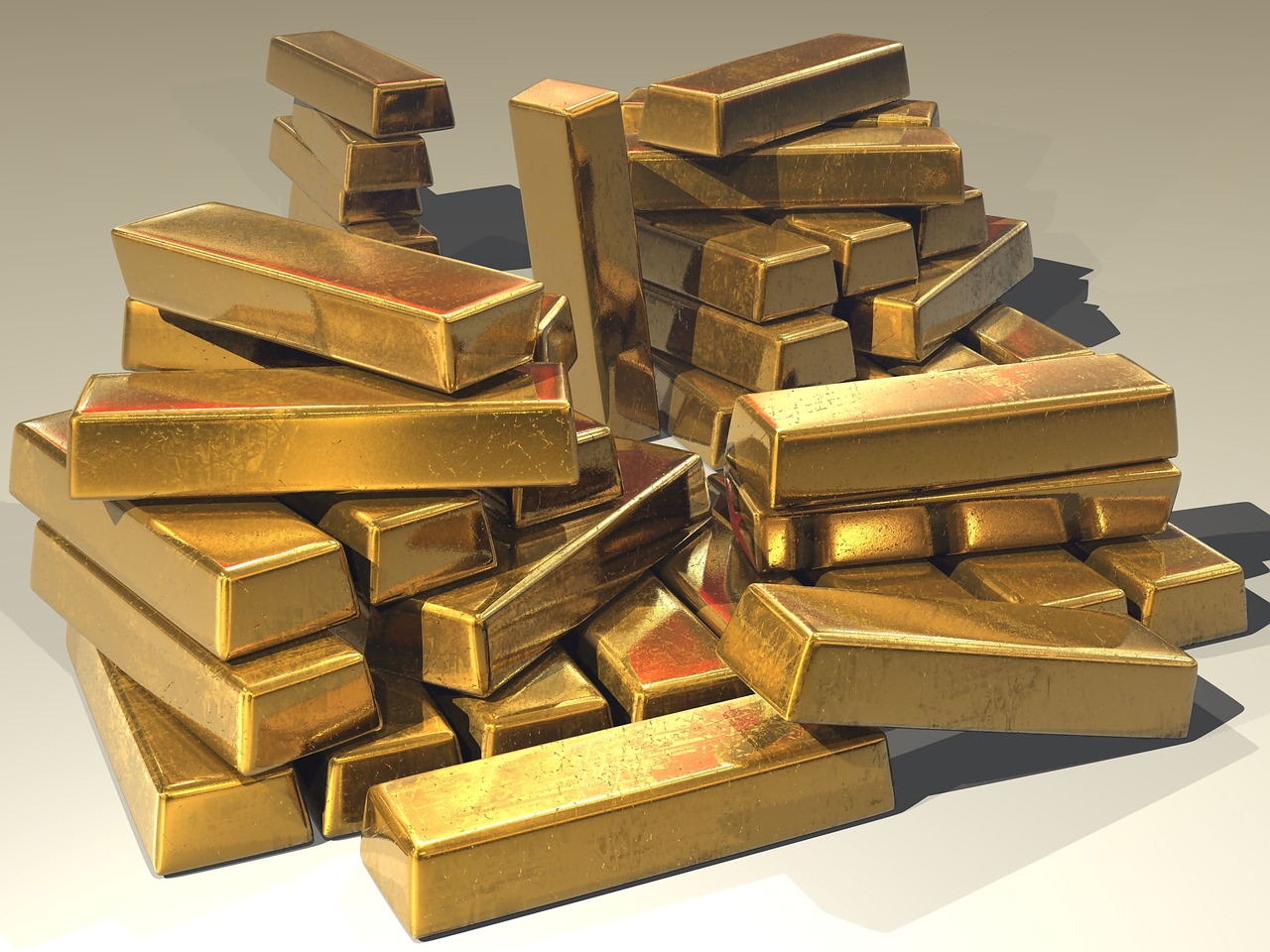
The Pros: Why People Buy Gold
Even though gold sits quietly, millions of people still buy it every single day. There are very good reasons for this choice, especially when regular money feels shaky.
It Holds Value Over Long Periods
Paper bills lose value because central banks can print more of them whenever they want. A candy bar that cost five cents fifty years ago might cost two dollars today. The paper note gets weaker every year.
Gold cannot be printed out of thin air on a printing press. Miners must dig deep into hard rock to pull it out, which takes time, giant machines, and heavy labor. Because supply grows slowly, gold holds its buying power over centuries.
An ancient Roman could buy a fine wool tunic and leather sandals with an ounce of gold. Today, that same ounce still buys a very nice tailored suit and good leather shoes. Paper money from ancient Rome is worthless dust, but the gold still buys lunch.
Safety When Markets Panic
When stock prices drop fast and banks look shaky, people panic. They do not want paper promises anymore. They look for things they can hold in their hands.
Gold is known as a safe haven asset. When bad news hits the front page, the price of gold often goes up while other prices slide down. Having a small pile of gold can calm your nerves when the news looks dark.
A smart plan often relies on basic asset diversification to balance things out. If one piece of your money drops, another piece might rise to keep your balance steady.
No Computer Needed
Most money today lives as digital blips on computer screens. If power lines go down, or a bank freezes an account, digital numbers can feel distant and hard to reach. Physical gold belongs to you completely. It does not need a password, electricity, or an internet connection to exist.
For college students who use Free AI Tools for Students to Draft Papers and Study, thinking about physical metal might seem old-fashioned. Yet that physical reality is the exact reason older investors still keep a piece of it.
The Cons: The Hidden Downsides of Holding Gold
Gold sounds great when people talk about safety, but the downsides are real and can cost you money over time. You must weigh these bad points before spending your hard-earned pay.
Zero Passive Income
This is the biggest downside of all. A rental home gives you monthly rent checks from your tenants. A solid corporate bond pays you interest twice a year. Many company stocks pay regular cash dividends every three months.
Gold pays zero. It never gives you a monthly check, a quarterly reward, or annual interest. If you hold ten thousand dollars in gold for thirty years, your cash flow from that gold is exactly zero dollars.
Because there is no income, you miss out on the magic of growth that builds over long periods. When an asset produces no fresh cash to reinvest, time does not help it grow larger inside your vault.
Storage and Safety Costs
Holding physical gold comes with headaches that digital index funds do not have. Where will you keep it? If you keep it at home, you need a heavy metal safe bolted into concrete. You also have to worry about thieves breaking in.
If you keep it in a bank safe deposit box, the bank charges you a fee every year. That fee eats away at your wealth. If you pay fifty dollars a year for a box, your gold is actually costing you cash just to sit in the dark.
Insurance companies also ask for extra payments to cover precious metals against loss or fire. All these small costs add up fast.
Odd Tax Rules and High Fees
Buying and selling physical gold is rarely free. Coin shops and dealers must make a profit, so they charge you a markup over the actual spot price. If gold trades at two thousand dollars an ounce, a shop might sell it to you for two thousand one hundred.
When you want to sell it back, that same shop might only offer you nineteen hundred. You start out behind on day one just from the dealer fees. You can learn more about general market rules and personal finance tips to see how fees eat into normal returns.
Governments often tax physical gold as a collectible instead of a standard long-term holding. That means you might pay a higher tax rate on your gains when you finally cash out.
Is Gold a Good Choice for You?
Deciding to buy gold depends on what you want your money to do over the next ten years. No single asset works best for every family.
If your goal is to grow a small pile of savings into a large retirement fund, gold is rarely the answer. Productive companies that create software, build cars, and sell food tend to grow much faster over ten or twenty years than a metal bar sitting in a box.
On the other hand, if you already have some savings and you worry about market crashes, a small sliver of gold can help you sleep better at night. Many calm investors keep five percent or less of their total money in gold as an insurance policy. They do not expect it to make them rich. They just want it to be there if things go wrong.
A friend of mine bought a single one-tenth ounce gold coin when his daughter was born. He paid around two hundred dollars for it. He keeps it on his desk as a paperweight. It gives him peace of mind, but he keeps the rest of his family savings in broad market funds where it can work every day.
Three Simple Ways to Buy Gold Without Headaches
If you decide gold belongs in your plan, you do not need to bury a heavy chest in the garden. You have a few clear paths to choose from.
- Bullion coins: These are official coins minted by governments, like the American Eagle or Canadian Maple Leaf. They have known weights and clear purity marks, which makes them easy to sell later to any dealer.
- Gold exchange funds: You can buy shares of a fund on the regular stock exchange that tracks the price of gold. The fund buys and stores the metal in a giant vault for you. You can buy or sell your share with one tap on your phone without touching any metal.
- Gold mining stocks: Instead of buying the metal, you can buy shares in companies that dig it out of the ground. These companies can pay dividends, but their prices can swing wildly if their mining equipment breaks or fuel prices rise.
Each path has its own balance of risk and ease. Physical coins feel great to hold, but funds on your phone are far simpler to sell on a Tuesday morning.
Gold is not magic, and it is not a ticket to easy wealth. It is simply an old form of insurance that sits quietly while the world spins around it. Think about your main goal first. Do you want your cash to grow through hard work, or do you just want an emergency shield in your pocket?